
Creating a collaborative workflow for remote teams
Unlock the potential of your remote team with collaborative workflows that enhance productivity and streamline brand management.
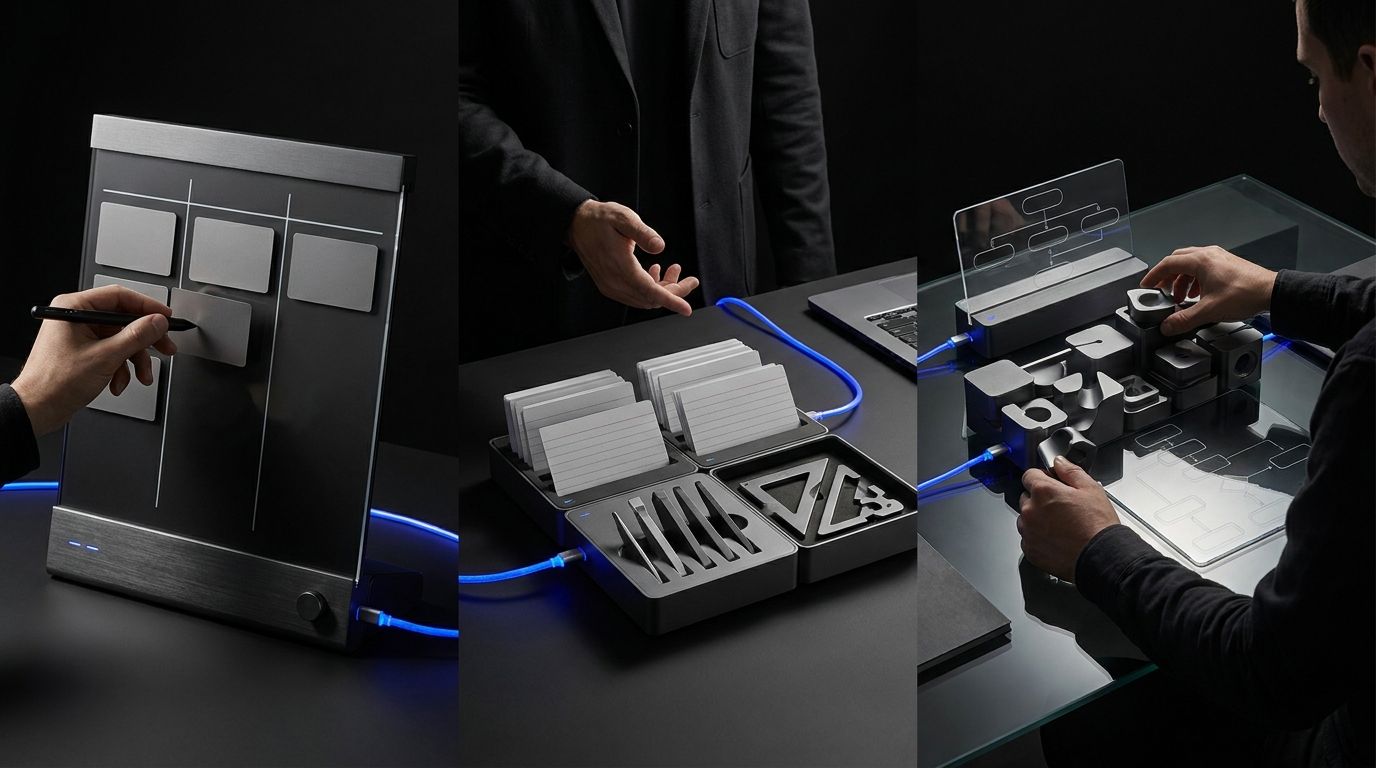
You're sitting in your home office, coffee going cold, staring at a screen full of pings and overdue tasks. Your remote team is scattered across time zones, and keeping everyone aligned feels like herding cats through a revolving door. How do you build a collaborative workflow that actually moves the needle on productivity and brand consistency? Start with clear communication, the right toolset, and a structure that's firm enough to hold but flexible enough to bend.
Establish clear communication channels
Communication is the bedrock of any remote operation. Define which platforms handle which types of conversation: Slack for daily check-ins, email for formal updates, Trello for task tracking. Pick a lane for each and stick to it.
Consider Sarah's situation at her digital marketing agency, BrandBoost. After a string of missed deadlines and costly miscommunications, she added a single weekly video call to discuss project progress. That one change cut the email threads in half. Her team could align on priorities, flag blockers, and move on.
Sarah also built out dedicated Slack channels for each client. Team members stopped wading through irrelevant noise to find what they needed, response times improved, and confusion dropped noticeably. Simple, but effective.
Choose the right tools
The tools you pick can make or break your remote workflow. Match the tool to the actual need. For project management, Asana or Monday.com give you visual task tracking with deadline visibility. For file sharing, Google Drive or Dropbox keeps assets accessible without version-control chaos.
When Mike, a product manager at TechStart, moved his team's documentation into Notion, the change was immediate. Real-time collaboration replaced the back-and-forth email loop, and integrated task management let his team assign work, set deadlines, and track status without switching apps.
Mike also connected Asana to Slack, so his team got instant notifications on task updates. No missed handoffs, no "I didn't see that message" excuses. For remote teams where a single delay can cascade into a project setback, that kind of tight integration matters.
Create a structured workflow
Map your processes from start to finish. Break work into concrete, actionable steps, assign clear ownership, and make sure everyone can see where things stand at any given moment.
At Creative Minds, a graphic design firm, every client project moves through four defined stages: discovery, design, feedback, and delivery. The structure keeps the team organized and sets client expectations early, before scope creep has a chance to take hold.
During discovery, the team gathers requirements, builds mood boards, and locks in project goals. Design drafts follow, then a structured feedback round. By delineating those phases clearly, Creative Minds reduced client revision cycles by 30%. Expectations were set upfront, so there were fewer surprises later.
Set clear goals and deadlines
Vague goals are a productivity killer. Use SMART criteria - Specific, Measurable, Achievable, Relevant, Time-bound - to build targets that actually guide behavior rather than just fill a planning doc.
The team at Digital Innovators did this during a quarterly planning session for a new product launch. Each member had defined roles tied to the overall timeline. Gantt charts made the dependencies visible, so no one was confused about how their piece connected to the larger picture.
They also ran bi-weekly reviews to assess progress against milestones. That cadence kept accountability tight and created natural checkpoints to course-correct before small delays became big ones.
Foster a culture of feedback
Feedback has to be a regular part of the workflow, not a once-a-year formality. Check-ins, peer reviews, and retrospectives keep communication open and surface problems before they compound.
Jenna, leading a remote team at Bright Ideas, introduced monthly feedback sessions where the team would openly discuss what worked and what didn't on recent projects. After reviewing the analytics from a recent marketing campaign together, they collectively shifted strategy based on what the data was actually showing them. Not what they assumed. What the numbers said.
Jenna also set up an anonymous digital suggestion box. One idea that came out of it: switching to a new design tool that saved the team several hours a week. Make feedback normal, and people will give you useful feedback, not just polite feedback.
Embrace flexibility
Structure matters. But so does autonomy. Allow your team to adapt their hours to fit their productive windows and personal commitments. The work is what matters, not when exactly the keyboard is being typed on.
At Remote Solutions, team members choose their own hours as long as deadlines are met. A recent internal survey found that 85% of employees felt more motivated under that model, and project output climbed 20%. Some people do their best work at 10 PM. Let them.
Encourage your team to block off time for deep work during their peak hours. Don't schedule over it. That protected focus time is often where the real work gets done.
Utilize performance metrics
You can't improve what you don't measure. Track task completion rates, project turnaround times, and team engagement levels. Use that data to find where the friction lives.
At ScaleUp, the ops team built a real-time dashboard to monitor project metrics. When they analyzed the data, they spotted which task types were consistently falling behind, redesigned those processes, and saw a 25% jump in overall project efficiency. They didn't guess at the problem. They found it in the numbers.
Review metrics with your team regularly, not just privately in a spreadsheet somewhere. When the team can see the data and own the interpretation, they take more responsibility for the outcomes and are quicker to suggest fixes.
Conclusion: Take the next step
Building a collaborative remote workflow isn't really about the tools. It's about building a culture where communication is clear, accountability is real, and improvement is ongoing. Audit your current processes, identify the friction points, and layer in structure without suffocating the flexibility your team needs to do good work. The goal isn't just shipping deliverables. It's building a team that actually wants to show up and do it well.
FAQ
What are the best tools for remote team collaboration?
The best tools vary by team needs, but popular choices include Slack for communication, Asana for project management, and Google Drive for file sharing. Each tool addresses specific aspects of collaboration, so choose based on your team's workflow.
How can I improve communication in my remote team?
Establish clear communication channels, set regular check-ins, and encourage open feedback. Choosing the right tools that suit your team's workflow is vital. Consider dedicated project channels to reduce noise and enhance focus.
What is a structured workflow?
A structured workflow outlines the steps needed to complete a project, assigns responsibilities, and sets deadlines. It helps teams stay organized and aligned, ensuring everyone knows what is expected at every stage of the project.
How can I foster a culture of feedback?
Encourage regular feedback sessions, make it a part of your workflow, and create a safe space for team members to share insights and suggestions. Implementing an anonymous suggestion box can also help facilitate honest feedback.
Why is flexibility important in remote work?
Flexibility allows team members to manage their work hours according to personal commitments and productivity peaks, leading to higher job satisfaction and performance. It builds trust and empowers employees to work in a manner that suits them best.
How can I effectively set goals for my remote team?
Use the SMART criteria to set clear, achievable goals. Involve your team in the goal-setting process and regularly review progress to ensure alignment. Utilizing visual tools like Gantt charts can help keep everyone on track and aware of their responsibilities.
What metrics should I track to measure my team's performance?
Track metrics such as task completion rates, project turnaround times, and team engagement levels. Regularly reviewing these metrics helps identify areas for improvement and allows your team to optimize their workflow continuously.
Join the conversation
Subscribe to comment
Join the Ziggyloo family newsletter to leave a comment — and get gentle learning tips and community stories in your inbox. No spam, unsubscribe anytime.